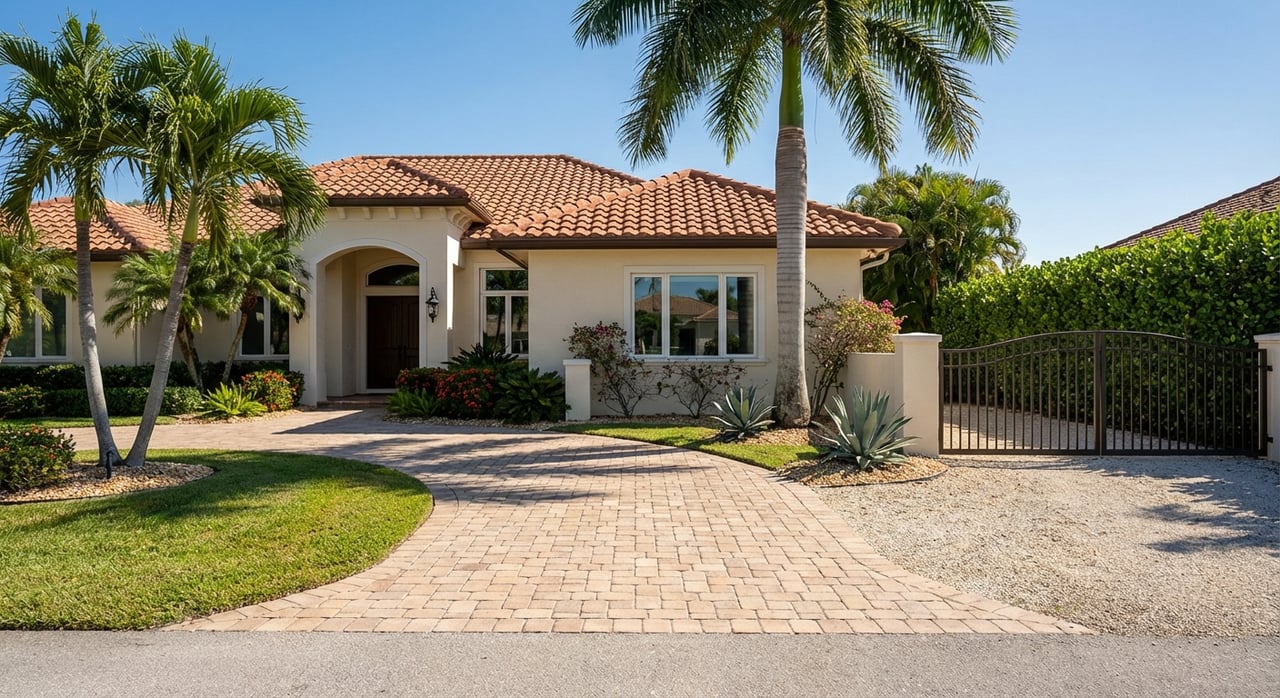
Craving more elbow room without giving up Bonita Springs convenience? If you picture mornings on a quiet porch, space for a workshop or barn, and room to park your boat or RV at home, San Carlos Estates should be on your radar. You want privacy and flexibility, not a maze of HOA rules. In this guide, you’ll learn how the neighborhood is set up, what the AG-2 zoning can allow, the trade-offs compared with nearby gated golf communities, and what to verify before you buy. Let’s dive in.
Why San Carlos Estates stands out
San Carlos Estates delivers a rare mix in Southwest Florida: estate-size lots with a relaxed, rural feel inside the Bonita Springs area. Streets are quiet, homes sit back from the road, and the vibe reads private and low-key.
Local drainage and some access functions are handled by the San Carlos Estates Water Control District, a Chapter 298 special district. This is different from a homeowner association. The district manages canals and swales, posts meetings and budgets, and administers perimeter gate fobs. You can review district details on the official San Carlos Estates Water Control District site.
Big-lot living and home styles
If you want breathing room, this is the draw. Many parcels in San Carlos Estates are at or near 1.25 acres, with others in the 1.5 to 2 acre range when available. You will also see some smaller estate lots, but the most common pattern is a lot large enough for a generous home footprint plus outdoor living and storage.
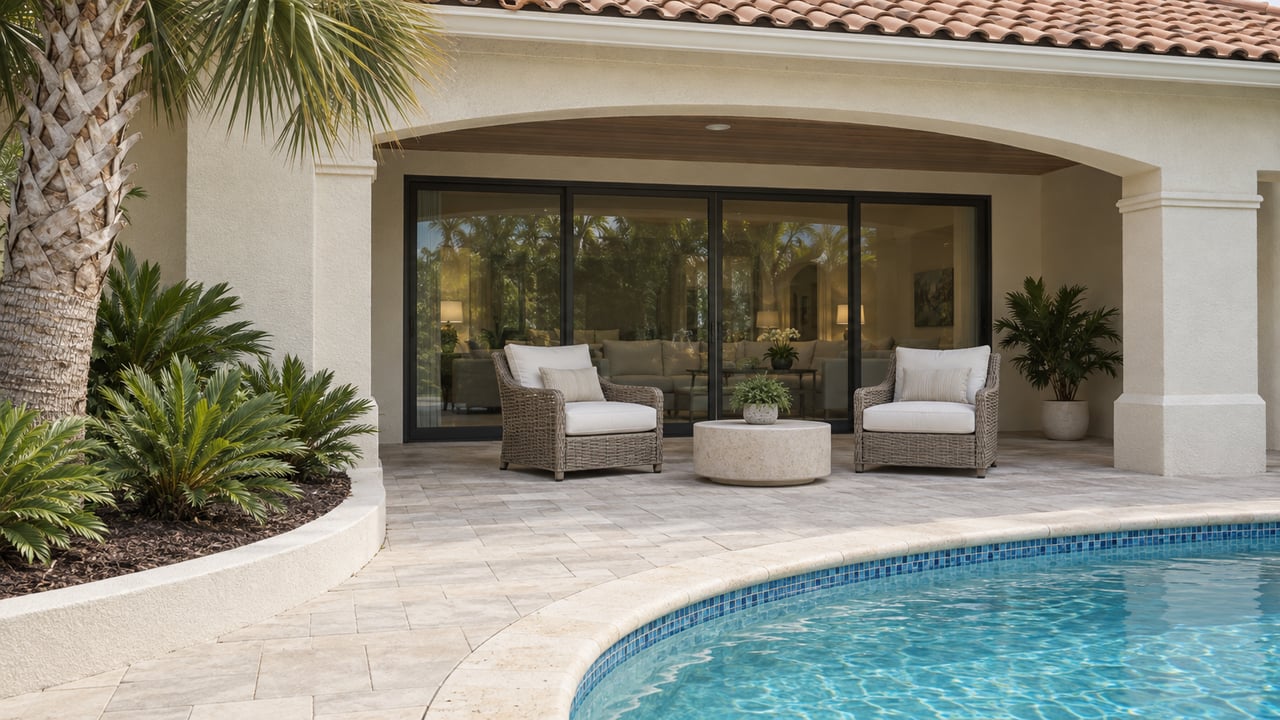
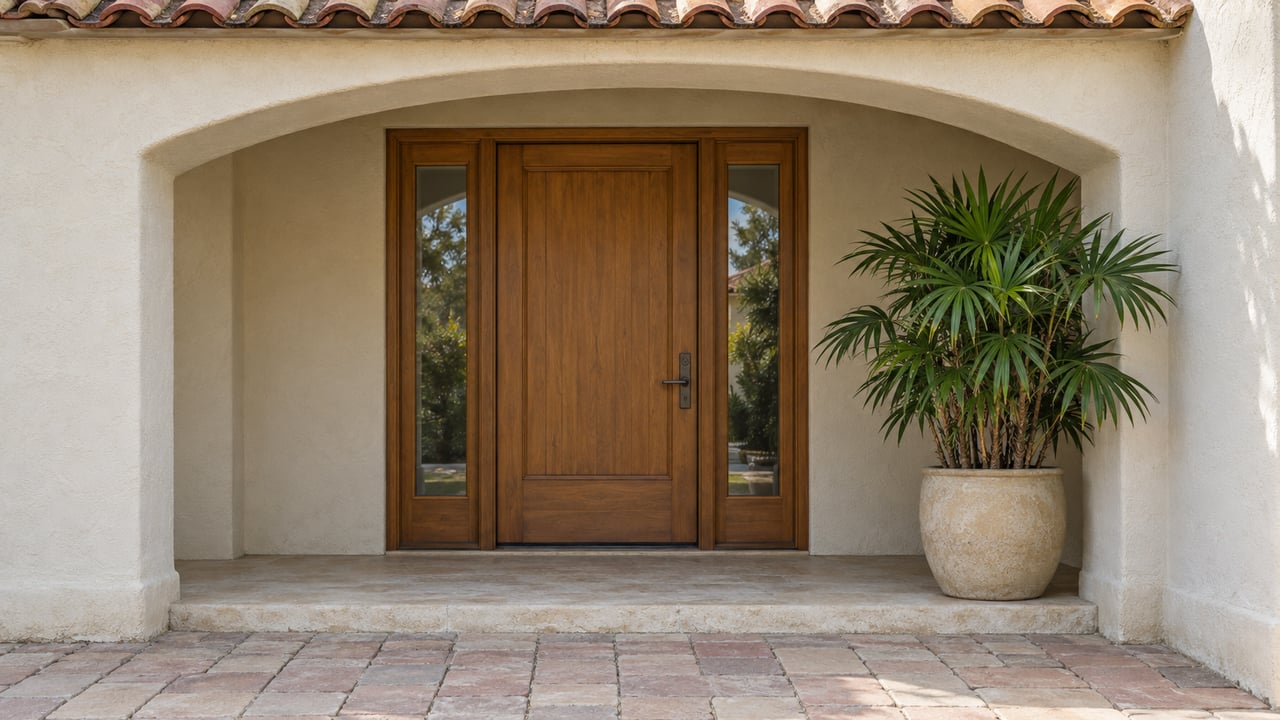
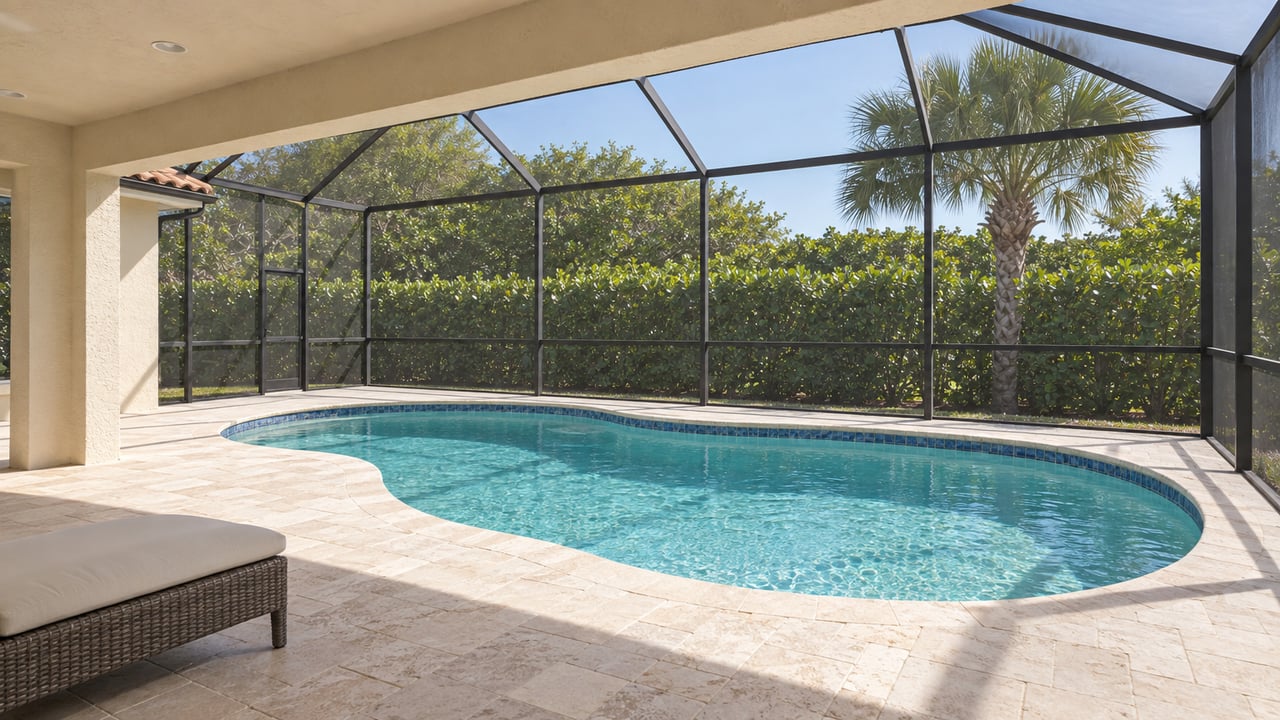
Homes range from single-story ranch styles to newer custom builds and luxury estates. You will find classic Florida stucco with tile roofs, contemporary designs, and remodeled properties with updated lanais and pools. Over time, older homes have made way for larger custom estates, which keeps the neighborhood’s mix fresh and varied.
Zoning basics and what AG-2 allows
Many parcels here are zoned AG-2 under the Lee County Land Development Code. AG-2 is an agricultural-residential district with larger minimum lot areas. It is one reason you often see outbuildings, pole barns, and more flexible site plans in San Carlos Estates.
- Under AG-2, agricultural and accessory uses are possible, subject to county rules and site-specific limits. You can review the district’s permitted uses, setbacks, and development table in the Lee County LDC for AG-2.
- Keeping horses, adding detached garages or barns, and installing RV hookups can be allowed in many cases. Exact permissions depend on your parcel’s zoning, recorded covenants, environmental factors, and county permitting.
The takeaway: AG-2 gives you flexibility, but every property has its own mix of rules. Always verify what is allowed for the specific lot you want to buy.
HOA and restrictions, what to expect
San Carlos Estates is widely experienced as low-restriction living. Many parcels have no mandatory HOA and there are no community-run recreational amenities. That said, deed restrictions on individual lots can exist, and some subdivided parcels may carry private covenants. The legal picture is parcel-specific.
- Plan to order a full title search and request any recorded covenants, easements, or restrictions early in your due diligence.
- The Water Control District can levy special assessments related to drainage or capital projects. Check recent notices on the district’s news and assessments page.
- Streets and access can be private in places. The district also outlines perimeter access and fob policies on its gate information page.
Space for RVs, boats, and hobbies
This is where San Carlos Estates shines. Estate lots give you practical room to design your site for real life. Many owners set up extended driveways, detached garages, pole barns, and RV or boat parking. On AG-2 parcels, some equestrian uses are possible. Still, you need to confirm the details before you start planning.
- Check setbacks, maximum structure sizes, and permit requirements with Lee County.
- Confirm any recorded covenants that could limit exterior storage or the number and placement of outbuildings.
- Factor in environmental constraints. Wetlands or protected species can affect where and how you build on a lot.
- Use the Lee County AG-2 code section as your starting point for what may be allowed, then talk with the county about your specific plan.
Location and drive times
You are close to everything that makes Bonita Springs and Estero convenient. The neighborhood sits near both US-41 and I-75 for fast access north to Fort Myers and south to Naples and the airport. Listing descriptions often cite short runs to Coconut Point Mall and easy access to Bonita Beach. Representative times from central points in the neighborhood are about 5 minutes to Coconut Point and about 15 minutes to Bonita Beach, depending on traffic and exact starting address.
In practice, you trade a clubhouse down the street for bigger private space at home, while keeping quick runs to beaches, shopping, dining, and golf when you want them.
How it compares to gated golf communities
If you are cross-shopping Bonita Bay, Bonita National, or other gated golf neighborhoods, here is the core contrast.
- Space and privacy: San Carlos Estates offers larger lots and more separation between homes. Gated golf communities are planned at a higher density with homes clustered around courses and club amenities.
- Rules and dues: Many San Carlos Estates parcels have no mandatory HOA, so monthly dues are lower or nonexistent. Gated golf communities typically include HOA and sometimes club dues that fund amenities and common-area care.
- Amenities: San Carlos Estates has no shared amenities. Gated golf communities package the lifestyle on-site, such as golf, clubhouses, fitness centers, pools, tennis or pickleball, and sometimes beach access.
- Flexibility: With AG-2 zoning on many parcels and estate-scale lots, San Carlos Estates is better suited to outbuildings, RV or boat storage, and hobby use that you cannot do in most HOA communities.
Neither option is better for everyone. If you live for league play, a staffed clubhouse, and resort-style facilities, a gated golf community may fit you best. If you want room to spread out, store your toys, and set your own pace at home, San Carlos Estates is a strong match.
Who this neighborhood fits
- You want a large lot with a private feel and room to design your site.
- You own an RV, boat, or trailers and prefer on-site storage over paid storage.
- You plan a detached garage, workshop, or pole barn.
- You like the idea of small-scale agricultural or equestrian uses, subject to county rules.
- You want quick access to beaches, shopping, dining, and golf, without paying for community amenities you may not use.
What to verify before you buy
Think of the following as your quick-start due diligence checklist. These items help you confirm the flexibility you want and the costs you will carry.
- Zoning and permitted uses. Confirm the parcel’s zoning with Lee County and review the AG-2 development and use table. Ask the county about setbacks, structure sizes, permits, and whether your specific plan is feasible.
- Recorded covenants and easements. Even when marketing says “no HOA,” individual deed restrictions can exist. Request all recorded instruments during title review.
- Special district assessments. The Water Control District can levy assessments. Review recent postings on the district’s news page and ask the seller for any notices.
- Gate access and road responsibilities. Some streets are private and access is controlled. Read the district’s gate policies and ask about any road maintenance obligations.
- Flood zone and insurance. Look up the property’s FEMA flood zone using the FEMA Map Service Center. Discuss flood insurance with your insurer based on the exact zone and elevation.
- Utilities and hookups. Clarify whether the home has central water or well, and septic or sewer, and ask about any outstanding utility assessments or future connection requirements.
- Environmental and wetlands. If you are buying a vacant lot or planning new improvements, consider an environmental review to evaluate wetlands and protected species.
Getting started with a local expert
San Carlos Estates rewards buyers who value space and flexibility. It also rewards careful verification so your plans match what the lot and code allow. If you want help matching your wish list to the right property, we can guide you from first tour to final permits, then line up trusted local pros for build-outs and improvements.
Ready to explore estate-lot living in Bonita Springs or compare it with gated golf options nearby? Connect with Taylor Stewart for local guidance, smart search strategies, and on-the-ground insight that protects your time and budget.
FAQs
What is the HOA situation in San Carlos Estates?
- Many parcels have no mandatory HOA, and there are no shared recreational amenities. Local drainage and some access are managed by the Water Control District, which is different from an HOA. Always verify parcel-specific covenants during title review.
What does AG-2 zoning allow in San Carlos Estates?
- AG-2 is an agricultural-residential district that can allow accessory buildings, some agricultural uses, and in some cases equestrian uses, subject to county rules and permitting. Review details in the Lee County AG-2 code and confirm for your exact parcel.
Can I keep an RV or boat at home on an estate lot?
- Many owners do because of the large lot sizes and AG-2 flexibility, but limits can apply. Check setbacks, structure sizes, and any recorded covenants, and confirm permits for items like RV electrical hookups with Lee County.
How far is San Carlos Estates from beaches and shopping?
- Representative listing claims cite about 5 minutes to Coconut Point and about 15 minutes to Bonita Beach from central neighborhood points. Actual times vary by traffic and exact address.
What does the San Carlos Estates Water Control District do?
- The district manages drainage infrastructure and administers perimeter gate access for the neighborhood. Review meeting notices and potential assessments on the district news page, and see access details on the gate information page.
How do I check flood risk for a specific property?
- Look up the address on the FEMA Map Service Center to see the flood zone. Your lender and insurer can advise whether flood insurance is required and what coverage makes sense for your risk profile.