Choosing between a gulf-view tower, a villa, or a single-family home in Bonita Bay can feel like three good choices with very different outcomes. If you spend only part of the year here, you want the right mix of easy upkeep, privacy, and access to the club and marina. This guide lays out the tradeoffs that matter for second-home owners so you can buy with confidence. Let’s dive in.
Quick comparison for seasonal owners
- High-rise condos: Best for lock-and-leave living and premium Gulf views. Association care and building staff reduce day-to-day tasks for absentee owners.
- Villas and attached homes: A middle ground. Some exterior items are covered, but responsibilities vary widely by documents. Often quieter than towers.
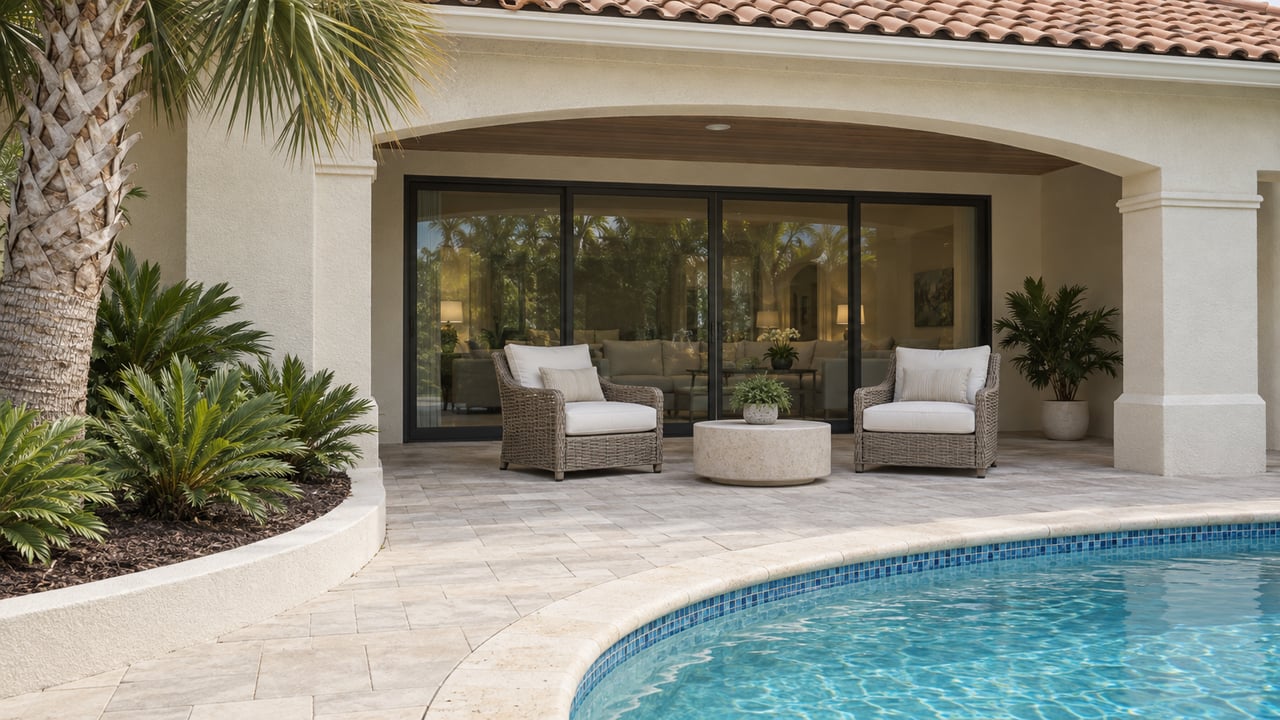
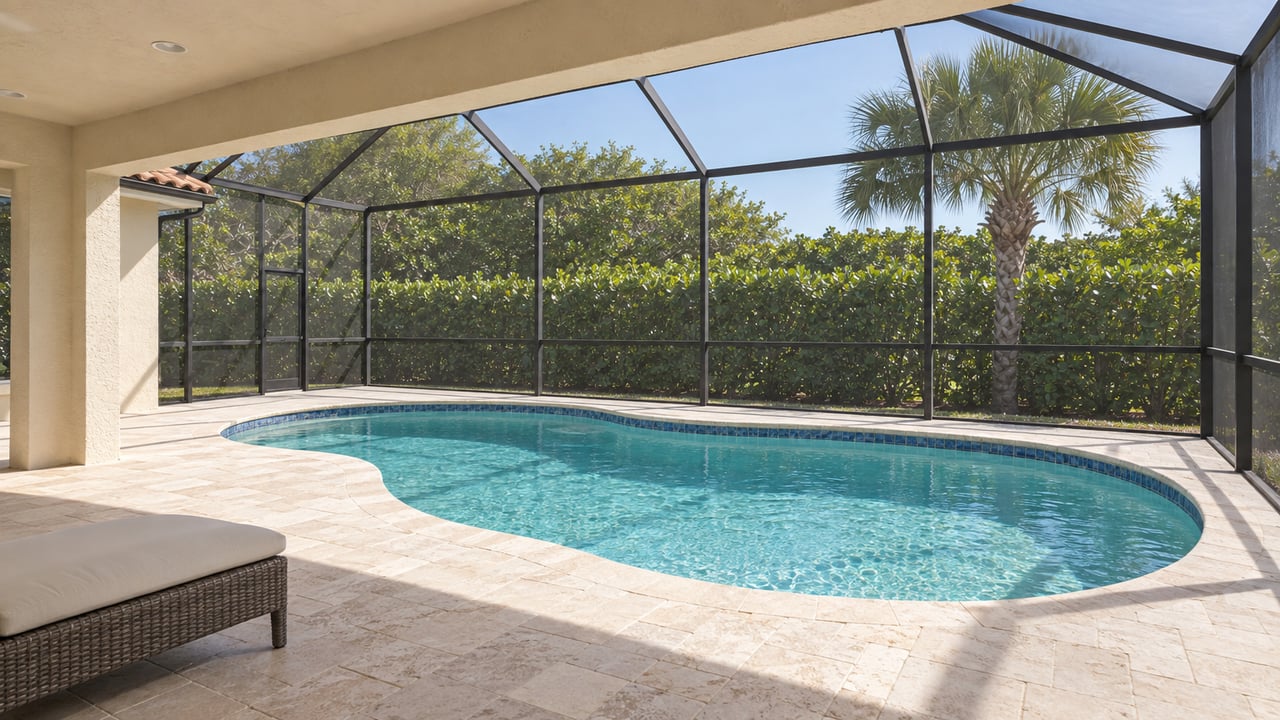
- Single-family homes: Highest privacy and outdoor space, including select canal or preserve settings. More control comes with more maintenance planning.
Views and site orientation
High-rise gulf-view towers
Elevated floors can deliver wide Gulf and horizon views that are hard to beat. Not all tower residences have the same outlook, so confirm your line-of-sight and ask about any planned development. Balconies can be wind-exposed and may have rules for shutters and use during storms.
Villas and attached courtyards
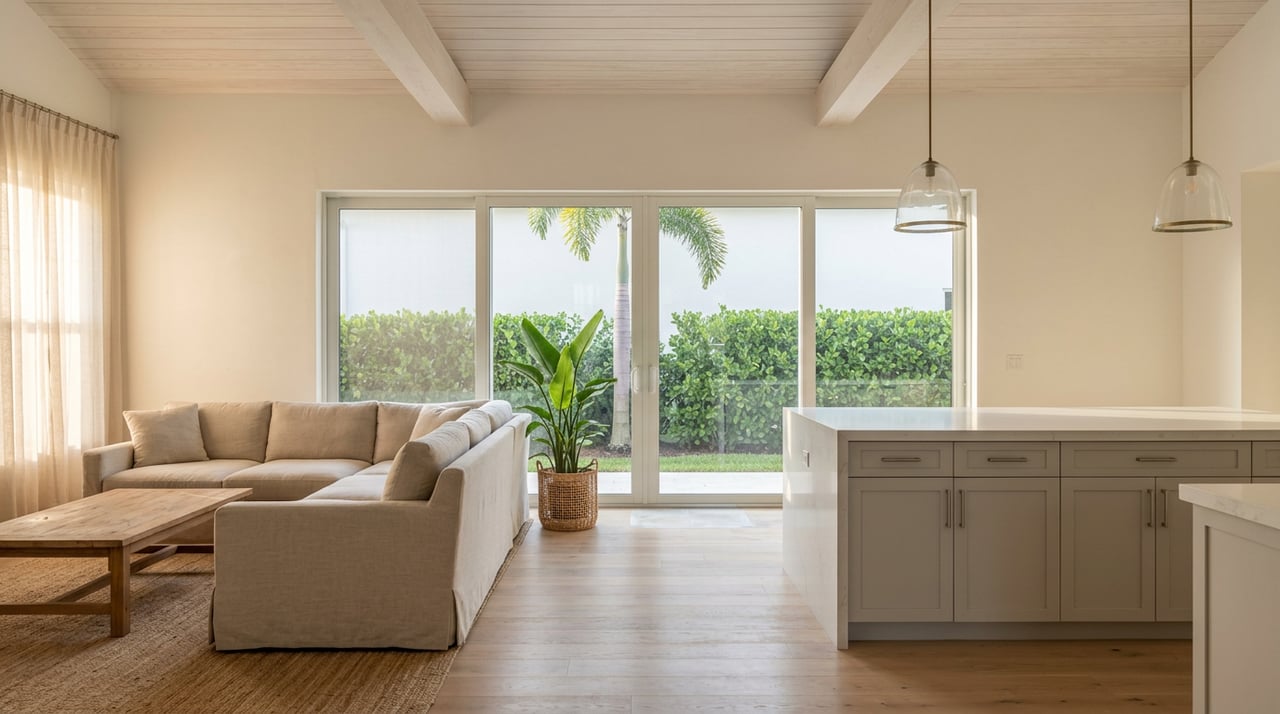
Villas often face courtyards, interior landscaping, canals, or golf. You trade panoramic horizons for a more private ground-level feel. Some locations offer lovely water or fairway views, but broad Gulf vistas are less common.
Single-family homes
Lot selection drives the experience. Waterfront or preserve lots can offer water and nature views, while interior homes focus on yard space and privacy. Western exposures may pick up sunset views depending on position.
Bottom line: If a Gulf panorama is your priority or a rental draw, a high-rise is your most reliable path. If you want outdoor space, a pool, or possible boat access, look closely at single-family and select villas.
HOA, what’s included, and maintenance
A key caution: “Villa” can mean different things. In Bonita Bay, some villas are governed like condominiums, while others are fee-simple homes within an HOA. Always verify the governing documents before you assume what is covered.
High-rise condominiums
The association usually handles the building shell, roof, elevators, lobbies, pools, and grounds. You handle interior finishes and contents coverage. Many towers have professional management and staff, which simplifies seasonal ownership. Some dues may include utilities like cable or water, but this varies by building.
Villas and attached homes
If the villa is organized as a condominium, the association often covers roofs, exteriors, limited common elements, and some courtyard care. If it is fee-simple within an HOA, exterior responsibilities can shift to the owner. Fees typically land between towers and single-family, but can vary widely from one neighborhood to the next.
Single-family homes
Owners are responsible for the structure, roof, exterior paint, driveway, and yard unless a neighborhood provides specific services. Master association dues usually cover community roads inside the gates, security, and shared landscaping, not your private yard or home. Seasonal owners often line up local vendors for landscaping, hurricane prep, and routine checks.
What it means for you: Towers maximize convenience with predictable building care. Villas offer balance, but you must confirm what is included. Single-family homes require a plan for contractors or a property manager.
Privacy, noise, and community life
High-rise
Shared corridors and elevators mean more encounters with neighbors and occasional noise. Building culture varies from lively to very quiet, depending on the community’s programming. Balconies and rooftop spaces are typically regulated.
Villas and attached homes
Shared walls bring some potential for sound transfer, though there are fewer neighbors per building than in a tower. Courtyard designs often create a calm, residential feel.
Single-family homes
Detached living offers the most privacy potential. Lot placement and landscaping make a big difference around pools and patios. Neighborhood noise is usually less noticeable than in multi-story buildings.
Amenities, club access, and the marina
Bonita Bay’s amenities are managed by three groups: the master association, individual neighborhood associations, and a private club. What you can use and how you pay depends on the property and membership you choose.
- Club membership: Many social, golf, fitness, and dining amenities operate through a private club with separate initiation and dues. Membership is often optional and terms can include transfers or waitlists. Confirm categories, pricing, and privileges early.
- Neighborhood amenities: Some neighborhoods maintain small pools or courts for residents. These are separate from the private club.
- Marina access: The community has a marina and yacht services. Slip availability, size limits, lease or ownership options, depth, and waitlists are common variables. Ask about transfer rights and residency requirements if you boat seasonally.
Insurance, flood, and seasonal logistics
- Insurance: Florida coastal properties require careful planning. Condo owners typically carry an HO-6 policy for interior fixtures and contents while the building carries a master policy. Villa and single-family owners generally need HO-3 or HO-5 coverage, plus wind and flood where applicable. Hurricane deductibles can be meaningful for second homes.
- Flood and elevation: Check FEMA flood maps and confirm whether the property sits in a special flood hazard area. Ask for elevation information if available. Features like impact glass and shutters matter for storm hardening.
- Seasonal setup: Plan for remote monitoring, leak sensors, smart thermostats, and scheduled checks. Confirm your association’s rules for short-term vendors, property managers, and contractors.
Early insurance quotes and a review of association insurance can change your budget, so build this into your timeline.
Resale value and rental potential
- Towers: Gulf-view residences often command a premium per square foot thanks to views and building amenities. They can attract seasonal renters.
- Villas: Appeal to buyers seeking lower dues than towers but more convenience than single-family. Rental demand depends on location, bedrooms, and rules.
- Single-family: Private pools, yards, and water access draw long-stay snowbirds and families. Total prices can be higher, but you control more of the rental experience.
Many associations limit rentals through minimum lease terms, caps on the number of leases per year, registration, or bans on short stays. Club rules can also affect guest access. Confirm association and county rules before you count on rental income.
Your due diligence checklist
Use this list to avoid surprises and protect your seasonal budget.
- Governing documents: For condos, request the Declaration, Articles, Bylaws, Rules and Regulations, current budget, reserve study, association insurance certificate, and resale or estoppel certificate. For HOAs, request CC&Rs, bylaws, rules, budget, reserve study, minutes, and insurance certificates. Ask about special assessments in the past 5–7 years.
- Financials and reserves: Review current dues, what they include, reserve levels, and any planned capital projects. Read recent meeting minutes for red flags.
- Insurance and flood: Obtain owner-level quotes early. Request the association’s policy summary and claims history. Verify flood zone status and any elevation certificate.
- Rentals: Confirm minimum lease terms, annual limits, registration requirements, and short-term policies. If you plan to rent, ask sellers for historical occupancy data.
- Marina and club: Ask about slip availability, size limits, depth, transferability, waitlists, and fees. For the club, confirm membership types, initiation, dues, transfer rights, and privileges.
- Inspections: Order a standard home inspection with a coastal lens. Verify roof age, impact glass or shutters, HVAC, pool equipment, and any termite or structural treatment history. Ask about generators and monitoring systems.
- Closing items: Review the resale or estoppel certificate on time. Confirm any transfer fees, capital contributions, or club initiation due at closing.
Which one fits your lifestyle?
- Choose a high-rise if you want easy lock-and-leave living, building staff, and a high likelihood of Gulf views. Expect association rules to structure daily life, which many seasonal owners prefer.
- Choose a villa if you want fewer stairs and a neighborhood feel, with some exterior care handled by the association. This is a strong “middle” choice for cost predictability and comfort.
- Choose a single-family home if privacy, yard space, a private pool, or direct boat access top your list. Plan for more vendor coordination when you are away.
Ready to compare specific neighborhoods, view lines, and dues side by side? Let’s align your choice with the golf-and-boating lifestyle you want in Bonita Bay. Reach out to Taylor Stewart for tailored guidance, private previews, and a clear plan from offer to closing. Selling a Bonita Bay property? Get your free home valuation.
FAQs
Which Bonita Bay property type offers the best Gulf views?
- Gulf-view high-rise residences most reliably deliver wide, elevated water and horizon views, but you should verify line-of-sight and any planned development.
What do HOA or condo dues typically include in towers vs villas vs homes?
- Towers usually cover the building shell, elevators, common areas, and grounds; villa coverage depends on whether it is a condo or HOA; single-family owners typically handle their own structure and yard.
Are rentals allowed in Bonita Bay, and what are the limits?
- Many associations allow rentals with restrictions such as minimum lease terms, limits on the number of leases per year, and registration, so confirm the exact rules for the property you want.
Is club membership included with a Bonita Bay purchase?
- Club amenities are operated separately with distinct initiation and dues, membership is often optional, and terms can include transfers or waitlists that you should verify upfront.
How should I approach insurance for a Bonita Bay second home?
- Get early quotes; condos typically use an HO-6 policy, while villas and single-family homes need HO-3 or HO-5 plus wind and flood coverage where required.
Can I secure a marina slip with my property?
- Slip availability and terms vary, with a mix of owned and leased options, so verify size limits, depth, transferability, and any waitlist before you decide.
Who handles maintenance when I am away seasonally?
- Tower associations and staff simplify absentee ownership, while villa and single-family owners should arrange local vendors or property management and confirm association rules on contractors.